

Clinical Nutrition and Digestive Metabolism
An advanced examination of gastrointestinal nutrient assimilation, trace element kinetics, and clinical repletion protocols. Master the diagnostic nuances of subclinical deficiencies and complex metabolic adaptations in malabsorptive states.
Like Duolingo, but for Clinical Nutrition and Digestive Metabolism. Tomo turns the whole topic into a game you play five minutes a day, until it actually sticks.
20 levels across 3 sections, about 40 minutes end to end, roughly 8 days at five minutes a day. It moves through Clinical Micronutrient Triage and Repletion, Macronutrient Processing and Transport Kinetics, and Malabsorptive Pathology and Adaptive Management.
Free forever · No credit card · iPhone & Android

Key ideas in Clinical Nutrition and Digestive Metabolism
- Systemic inflammation triggers interleukin-6-mediated upregulation of ferritin and hepcidin, sequestering iron in macrophages and driving serum iron down while falsely elevating ferritin
- Hepatic zinc export is suppressed and ZIP14-mediated hepatic uptake is upregulated during the acute-phase response, causing transient plasma zinc declines independent of total body zinc status
- Assessing true functional trace mineral status requires concurrent measurement of acute-phase proteins (CRP and alpha-1-acid glycoprotein) to avoid misdiagnosing sequestered pools as acute nutritional depletion
- Methylmalonyl-CoA mutase specifically requires adenosylcobalamin, so elevated methylmalonic acid distinguishes cobalamin deficiency from folate deficiency
- Methionine synthase requires methylcobalamin and 5-methyltetrahydrofolate, causing homocysteine to accumulate when either vitamin is functionally deficient
- Functional biomarker assays (such as transketolase activation or pathway metabolite buildup) expose subclinical cellular enzyme starvation when circulating vitamin concentrations remain within reference ranges
- High luminal zinc concentrations induce mucosal cell metallothionein synthesis; metallothionein has a higher binding affinity for copper than for zinc
- Trapped copper is sloughed off and excreted with senescent enterocytes in the feces, resulting in systemic hypocupremia
- Copper deficiency halts ceruloplasmin-dependent oxidation of ferrous to ferric iron, blocking transferrin mobilization and producing iron-refractory anemia and leukopenia
- Insulin release triggered by glucose reintroduction drives sodium-potassium ATPase and cellular uptake of phosphate, potassium, and magnesium, causing precipitous serum drops if not repleted prior to feeding
- Thiamine must be administered before or alongside any carbohydrate infusion because it serves as an indispensable cofactor for pyruvate dehydrogenase and alpha-ketoglutarate dehydrogenase; unprimed carbohydrate loading precipitates acute Wernicke encephalopathy or lactic acidosis
- Caloric reintroduction in severe starvation must start well below resting energy expenditure (typically 10-15 kcal/kg/day) to prevent fatal cardiopulmonary volume overload and neuromuscular failure
- A single oral iron bolus (≥60 mg) triggers an acute rise in hepatic hepcidin that peaks within 6 hours and remains elevated for 24 to 48 hours
- Circulating hepcidin internalizes and degrades enterocyte ferroportin, blocking basolateral iron export and trapping subsequent iron doses in shedding mucosal cells
- Alternate-day dosing bypasses this hepcidin refractory period, resulting in higher fractional iron absorption and lower unabsorbed luminal iron that causes gastrointestinal side effects
- Inorganic mineral salts require gastric hydrochloric acid to dissociate into free, absorbable divalent cations before reaching the duodenum
You've tried the other tabs
Thirty open tabs. Four facts you actually kept.
You watched. You nodded. By Sunday it was gone.
One answer, then back to scrolling.
Eight weeks. You meant to finish. You didn't.
Tomo gives Clinical Nutrition and Digestive Metabolism the Duolingo treatment: levels, streaks, and quick quizzes that test what you just learned. That game loop is what the tabs above never had, so it's the one you actually finish.
Here's what playing it feels like
A real question from this course. Take your best guess.
A patient with high inflammatory markers shows a sudden drop in plasma zinc. What is the cellular cause?
Get it right to open this lesson and 19 more in the app.
How to learn Clinical Nutrition and Digestive Metabolism, step by step
Go in order. 20 short levels across 3 sections, about 40 minutes in all, five minutes a day.
- 1
Clinical Micronutrient Triage and Repletion
- Triaging Covert Micronutrient Deficiencies
- Targeted Repletion Protocols and Bioavailability Kinetics
- 2
Macronutrient Processing and Transport Kinetics
- Brush Border Enzymatics and Carbohydrate Assimilation
- Proteolysis, Peptidase Cascades, and Amino Acid Transport
- Lipid Emulsification, Micellar Transport, and Lymphatic Routing
- 3
Malabsorptive Pathology and Adaptive Management
- Nutritional Management in Gut Failure and Resection
- Metabolic Roadblocks: Bariatrics, Critical Illness, and Dysbiosis
3 sections · 7 units · 20 levels. Built to play, not to enroll.
Questions about Clinical Nutrition and Digestive Metabolism
How do I learn Clinical Nutrition and Digestive Metabolism?
Go in order: start with Clinical Micronutrient Triage and Repletion, then Macronutrient Processing and Transport Kinetics, then Malabsorptive Pathology and Adaptive Management. On Tomo that's 20 short levels, about 40 minutes in all, played five minutes a day. Start free and play the first level in under a minute.
Is there a Duolingo-style app for Clinical Nutrition and Digestive Metabolism?
Yes. Tomo works like Duolingo: short daily lessons, streaks and quick quizzes. Clinical Nutrition and Digestive Metabolism is one of its free courses, and you can type any other topic to get a course of your own.
Is the Clinical Nutrition and Digestive Metabolism course free?
Yes. Clinical Nutrition and Digestive Metabolism is playable on Tomo's free plan, which doesn't expire. No credit card, no waitlist. Download the app and start your first lesson.
How long does it take to learn Clinical Nutrition and Digestive Metabolism?
20 levels across 3 sections, about 40 minutes of play in total. It's built for five minutes a day, so you finish it a little at a time instead of all at once.
Do I need any background to start Clinical Nutrition and Digestive Metabolism?
No. It's pitched at an advanced level, so it starts where you are and builds up. If you can tap a phone, you can start.
Tomo is in ChatGPT
Tomo is also a ChatGPT plugin: the same playable courses, built and played inside your chat.
Add Tomo to ChatGPT- What to ask
- “Make me a Tomo course on black holes.” “Turn this chat into a Tomo course.”
- What you get
- Quick questions with instant feedback, hearts and stars, ready to play in about a minute.
- Where it goes
- No sign-up to start. Connect your Tomo account and your streak carries on in the app.
You pick the voice
Clinical Nutrition and Digestive Metabolism is taught in the Professor style: clear, structured, thorough. Want a different feel? In the app you can spin up the same topic in any of Tomo's teaching styles. Same facts, totally different vibe.
More Health on Tomo
The Science of Human Nutrition
Move beyond fad diets and generic rules to understand how nutrients actually interact with human physiology. Learn the real mechanisms of energy balance, macronutrient partitioning, and micronutrient absorption to evaluate nutritional claims with scientific rigor.
Everyday Nutrition Science
Move past simple calorie counting to understand how real food interacts with your biology. Learn to stabilize daily energy, evaluate food quality beyond marketing claims, and optimize nutrient absorption.

Natural Supplements for ADD
Learn how evidence-backed vitamins, minerals, amino acids, and botanicals can support focus and dopamine regulation. Build a safe, personalized daily protocol to calm mental noise and boost executive function.
Metabolic Snacking Strategy
Move beyond basic calorie counting to master the biochemistry of snacking. Learn to engineer snacks that stabilize glucose, optimize nutrient bioavailability, and align with your circadian rhythm.

Clinical Medicine
Learn how clinicians think through complex symptoms, choose the right diagnostic tools, and deploy targeted treatments to manage acute disease.
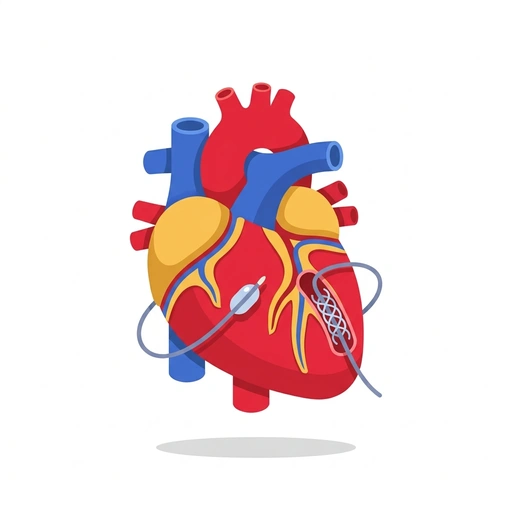
Clinical Cardiology and Procedures
Bridge the gap between cardiac physiology and clinical intervention. Learn how cardiologists decode diagnostic tests, make high-stakes procedural decisions in the cath lab, and deploy targeted therapies for structural and electrical heart disease.
Start Clinical Nutrition and Digestive Metabolism today.
Download Tomo, search Clinical Nutrition and Digestive Metabolism, and play your first lesson in under a minute.