

Criminology: The Reality of Investigation
Step away from television fiction and uncover how real criminal investigations unfold from crime scene to courtroom. Explore forensic science limitations, the Czech justice framework, and the psychology behind why offenses happen. Gain a practical understanding of how evidence is gathered, suspects are interviewed, and justice is pursued.
Like Duolingo, but for Criminology: The Reality of Investigation. Tomo turns the whole topic into a game you play five minutes a day, until it actually sticks.
21 levels across 4 sections, about 42 minutes end to end, roughly 8 days at five minutes a day. It moves through The Anatomy of a Real Crime Scene, How Cases Are Built: The Justice Machine, Real Criminals vs. Hollywood Monsters, and Why Crime Happens and What We Do About It. It starts from scratch.
Free forever · No credit card · iPhone & Android
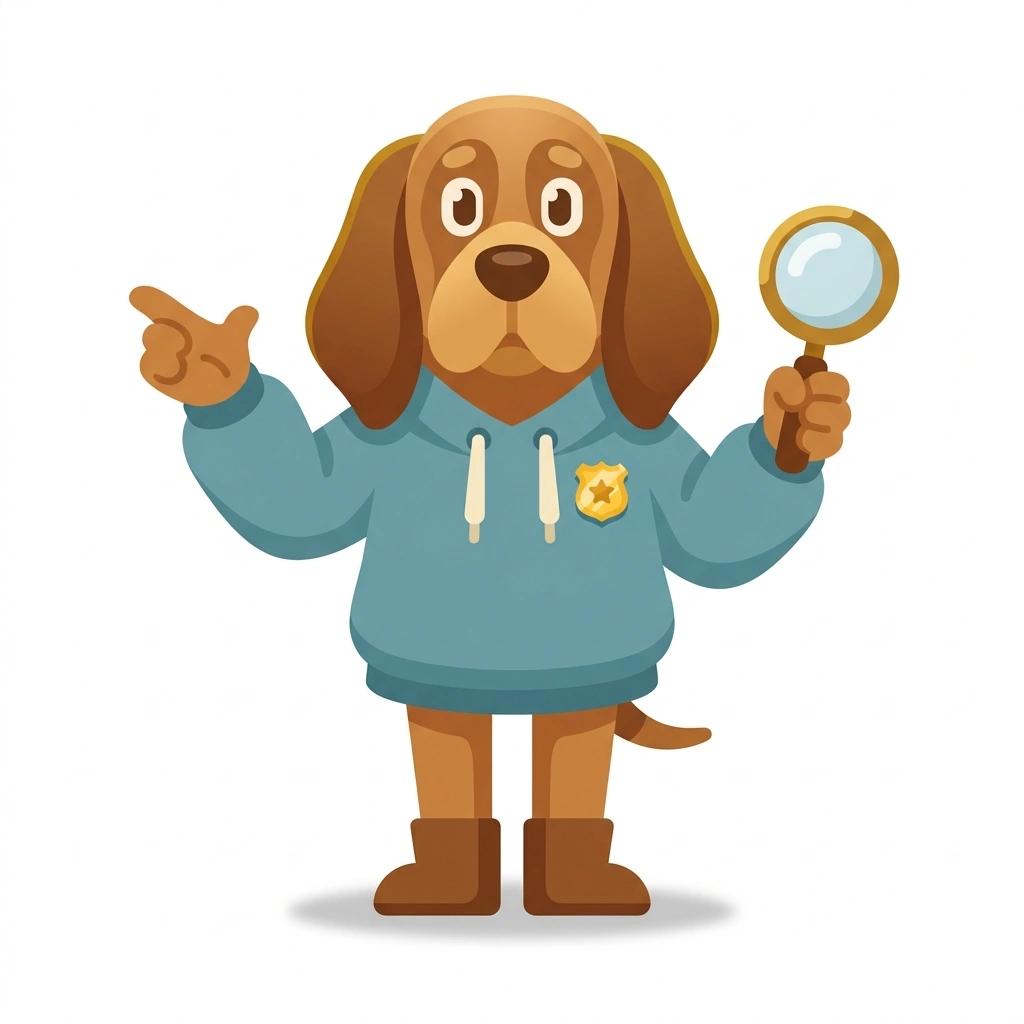
Key ideas in Criminology: The Reality of Investigation
- First responding officers must freeze and preserve the environment rather than conduct searches
- Entering, rummaging, or collecting evidence too early risks destroying or contaminating fragile traces
- Specialist crime scene examiners handle evidence collection after the boundaries are secured
- Weather elements like rain quickly wash away delicate outdoor physical impressions
- A witness's immediate recall is sharpest right after the event and deteriorates or becomes contaminated rapidly
- Physical traces sheltered from the elements and automated digital records remain stable well beyond the first hour
- Locard's Exchange Principle guarantees that contact transfers matter between a person and an environment
- In shared or inhabited spaces, human hair, fibers, and prints are already everywhere
- The investigator's primary task is isolating the perpetrator's relevant trace from background daily debris
- Investigators run multiple competing explanations simultaneously to avoid locking onto a single suspect prematurely
- Physical entry points and disturbed items point to distinctly different scenarios that require testing
- Tunnel vision causes detectives to ignore clues that contradict their first favorite theory
- Photographs capture the pristine context and relationship of objects before anything moves
- Written notes and sketches record precise spatial measurements while the object is still in place
- Physical lifting and bagging irrevocably alters the scene and must happen last
- DNA and fingerprints prove that biological material was deposited on an object at some time, not who committed the crime
You've tried the other tabs
Thirty open tabs. Four facts you actually kept.
You watched. You nodded. By Sunday it was gone.
One answer, then back to scrolling.
Eight weeks. You meant to finish. You didn't.
Tomo gives Criminology: The Reality of Investigation the Duolingo treatment: levels, streaks, and quick quizzes that test what you just learned. That game loop is what the tabs above never had, so it's the one you actually finish.
Here's what playing it feels like
A real question from this course. Take your best guess.
You are the first officer arriving at a burglary where everyone is safe. What is your immediate job?
Get it right to open this lesson and 20 more in the app.
How to learn Criminology: The Reality of Investigation, step by step
Go in order. 21 short levels across 4 sections, about 42 minutes in all, five minutes a day.
- 1
The Anatomy of a Real Crime Scene
- Beyond the CSI Effect: First Hours on Scene
- Physical Traces and Forensic Limitations
- 2
How Cases Are Built: The Justice Machine
- The Investigator and the Public Prosecutor
- The Psychology of Investigative Interviewing
- 3
Real Criminals vs. Hollywood Monsters
- Motives, Patterns, and Offender Profiles
- 4
Why Crime Happens and What We Do About It
- Criminological Theories in the Real World
- Sentencing, Rehabilitation, and Recidivism
4 sections · 7 units · 21 levels. Built to play, not to enroll.
Questions about Criminology: The Reality of Investigation
How do I learn Criminology: The Reality of Investigation?
Go in order: start with The Anatomy of a Real Crime Scene, then How Cases Are Built: The Justice Machine, then Real Criminals vs. Hollywood Monsters, then Why Crime Happens and What We Do About It. On Tomo that's 21 short levels, about 42 minutes in all, played five minutes a day. Start free and play the first level in under a minute.
Is there a Duolingo-style app for Criminology: The Reality of Investigation?
Yes. Tomo works like Duolingo: short daily lessons, streaks and quick quizzes. Criminology: The Reality of Investigation is one of its free courses, and you can type any other topic to get a course of your own.
Is the Criminology: The Reality of Investigation course free?
Yes. Criminology: The Reality of Investigation is playable on Tomo's free plan, which doesn't expire. No credit card, no waitlist. Download the app and start your first lesson.
How long does it take to learn Criminology: The Reality of Investigation?
21 levels across 4 sections, about 42 minutes of play in total. It's built for five minutes a day, so you finish it a little at a time instead of all at once.
Do I need any background to start Criminology: The Reality of Investigation?
No. It's pitched at a beginner level, so it starts where you are and builds up. If you can tap a phone, you can start.
Tomo is in ChatGPT
Tomo is also a ChatGPT plugin: the same playable courses, built and played inside your chat.
Add Tomo to ChatGPT- What to ask
- “Make me a Tomo course on black holes.” “Turn this chat into a Tomo course.”
- What you get
- Quick questions with instant feedback, hearts and stars, ready to play in about a minute.
- Where it goes
- No sign-up to start. Connect your Tomo account and your streak carries on in the app.
You pick the voice
Criminology: The Reality of Investigation is taught in the Bestie style: your friend who just gets it. Want a different feel? In the app you can spin up the same topic in any of Tomo's teaching styles. Same facts, totally different vibe.
More Science on Tomo

Chaos Theory: Finding Order in the Mess
Discover why the world is more unpredictable than it looks and how simple rules create the beautiful complexity of nature, weather, and life.

Forensic Science: Reading Physical Clues
Discover how real investigators extract facts from physical evidence. Learn the science of trace analysis, fingerprinting, DNA matching, and forensic timelines beyond the myths of television drama.

Geography in the Real World
Notice the hidden forces shaping the places you live and visit. Learn why cities thrive where they do, how terrain secretly dictates climate, and how to spot map distortions.

How Particle Accelerators Work
Look under the hood of the world's most powerful machines. Learn to identify the parts, steer the beams, and see how these 'atomic engines' power everything from cancer treatments to space-age materials.

How Minds Measure Reality
Discover the hidden math and physics running your senses. Learn why your nervous system measures physical energy in ratios, how to filter signal from noise, and why perception is an exercise in probability.

Time in Motion: Relativity and the Twin Paradox
Move beyond the basics of physics to understand why time isn't a constant, how speed alters aging, and why the famous Twin Paradox isn't actually a contradiction.
Start Criminology: The Reality of Investigation today.
Download Tomo, search Criminology: The Reality of Investigation, and play your first lesson in under a minute.