

Everyday Car Mechanics
Demystify what happens under your car's hood with practical, hands-on knowledge. Learn how to check vital fluids, diagnose weird noises, understand core engine systems, and deal honestly with mechanics.
Like Duolingo, but for Everyday Car Mechanics. Tomo turns the whole topic into a game you play five minutes a day, until it actually sticks.
27 levels across 4 sections, about 54 minutes end to end, roughly 11 days at five minutes a day. It moves through Under the Hood: Vital Signs and Fast Fixes; Diagnosing Problems: Lights, Sounds, and Smells; How the Machine Works: Core Systems; and Ownership and Upkeep: Keeping It on the Road. It starts from scratch.
Free forever · No credit card · iPhone & Android

Key ideas in Everyday Car Mechanics
- Translucent plastic reservoirs feature MIN and MAX lines visible directly through the container
- Oil splashes around the tube while driving, creating a false reading on first pull
- Wiping the dipstick clean allows a fresh, crisp oil line to register on the hatch marks
- A clean wipe onto a white rag reveals whether the oil is amber and healthy or sludgy and blackened
- Opening a hot coolant reservoir can spray scalding pressurized steam
- Brake fluid absorbs moisture from outside air, which degrades braking performance over time
- The correct target tire pressure is printed on the sticker inside the driver's door jamb, not on the tire sidewall
- Tire pressure must be checked 'cold' before the friction of driving heats up the air inside the rubber
- Tire pressure drops roughly 1 PSI for every 10-degree drop in outside air temperature
- If all of Lincoln's head is visible, the tread depth is less than 2/32 of an inch and the tire is legally worn out
- Shallow tread cannot channel standing water away from the contact patch, causing hydroplaning and dangerously long wet stopping distances
- Tires should be measured across the deepest central grooves where water evacuation occurs
- Windshield washer fluid is simple detergent and water/alcohol that cleans glass without interacting with sealed mechanical systems
- Coolants, brake fluids, and power steering fluids require strict chemical compatibility to avoid dissolving internal rubber seals or coagulating
- The washer fluid reservoir cap is marked with a windshield wiper and water spray icon
- The battery's main job is delivering a huge burst of power to start the engine
You've tried the other tabs
Thirty open tabs. Four facts you actually kept.
You watched. You nodded. By Sunday it was gone.
One answer, then back to scrolling.
Eight weeks. You meant to finish. You didn't.
Tomo gives Everyday Car Mechanics the Duolingo treatment: levels, streaks, and quick quizzes that test what you just learned. That game loop is what the tabs above never had, so it's the one you actually finish.
Here's what playing it feels like
A real question from this course. Take your best guess.
Why shouldn't you trust the oil line the very first time you pull the dipstick out?
Get it right to open this lesson and 26 more in the app.
How to learn Everyday Car Mechanics, step by step
Go in order. 27 short levels across 4 sections, about 54 minutes in all, five minutes a day.
- 1
Under the Hood: Vital Signs and Fast Fixes
- The Five-Minute Fluid and Tire Check
- Battery Essentials and Jump-Starting Safely
- 2
Diagnosing Problems: Lights, Sounds, and Smells
- Decoding Dashboard Warnings and Sensors
- Tracing Strange Noises, Smells, and Shakes
- 3
How the Machine Works: Core Systems
- Inside the Four-Stroke Engine
- Transmissions and Drivetrains
- Brakes, Steering, and Suspension
- 4
Ownership and Upkeep: Keeping It on the Road
- The Preventative Maintenance Routine
- Navigating the Repair Shop with Confidence
4 sections · 9 units · 27 levels. Built to play, not to enroll.
Questions about Everyday Car Mechanics
How do I learn Everyday Car Mechanics?
Go in order: start with Under the Hood: Vital Signs and Fast Fixes, then Diagnosing Problems: Lights, Sounds, and Smells, then How the Machine Works: Core Systems, then Ownership and Upkeep: Keeping It on the Road. On Tomo that's 27 short levels, about 54 minutes in all, played five minutes a day. Start free and play the first level in under a minute.
Is there a Duolingo-style app for Everyday Car Mechanics?
Yes. Tomo works like Duolingo: short daily lessons, streaks and quick quizzes. Everyday Car Mechanics is one of its free courses, and you can type any other topic to get a course of your own.
Is the Everyday Car Mechanics course free?
Yes. Everyday Car Mechanics is playable on Tomo's free plan, which doesn't expire. No credit card, no waitlist. Download the app and start your first lesson.
How long does it take to learn Everyday Car Mechanics?
27 levels across 4 sections, about 54 minutes of play in total. It's built for five minutes a day, so you finish it a little at a time instead of all at once.
Do I need any background to start Everyday Car Mechanics?
No. It's pitched at a beginner level, so it starts where you are and builds up. If you can tap a phone, you can start.
Tomo is in ChatGPT
Tomo is also a ChatGPT plugin: the same playable courses, built and played inside your chat.
Add Tomo to ChatGPT- What to ask
- “Make me a Tomo course on black holes.” “Turn this chat into a Tomo course.”
- What you get
- Quick questions with instant feedback, hearts and stars, ready to play in about a minute.
- Where it goes
- No sign-up to start. Connect your Tomo account and your streak carries on in the app.
You pick the voice
Everyday Car Mechanics is taught in the Explain Like I'm 5 style: no big words. promise.. Want a different feel? In the app you can spin up the same topic in any of Tomo's teaching styles. Same facts, totally different vibe.
More Technology on Tomo

Everyday Car Mechanics
Learn to read your vehicle's mechanical health using your own senses and simple tools. Diagnose common engine, brake, tire, and electrical issues through concrete real-world symptoms before costly breakdowns happen.
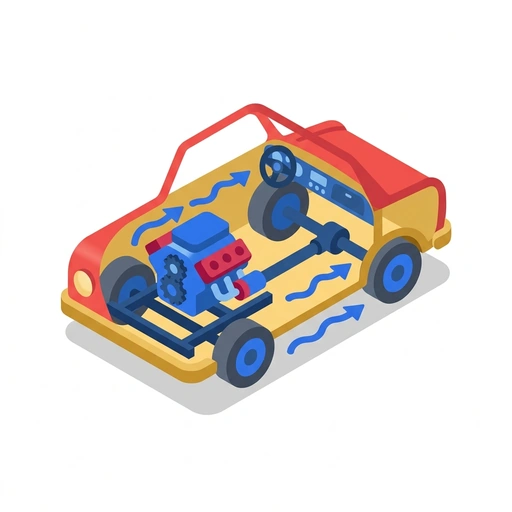
How Cars Work
Demystify what happens beneath the hood and behind the dashboard. Learn how engines, transmissions, and brakes operate, how to spot warning signs before they become costly breakdowns, and how to make confident decisions as an owner.
Practical Auto Mechanics
Learn to maintain, diagnose, and repair your car with practical confidence. From roadside tire swaps and fluid checks to brake service, electrical diagnosis, and engine troubleshooting, build real hands-on mechanical competence.

Everyday Car Mechanics
Demystify what happens under the hood. Learn to spot early warning signs, check vital fluids, and understand the core mechanical systems that keep your vehicle running safely.

Understanding Your Car
Learn to read what your car is telling you through sounds, vibrations, and handling quirks. This practical guide helps you make smarter driving decisions, spot mechanical problems early, and understand how key automotive systems work together.
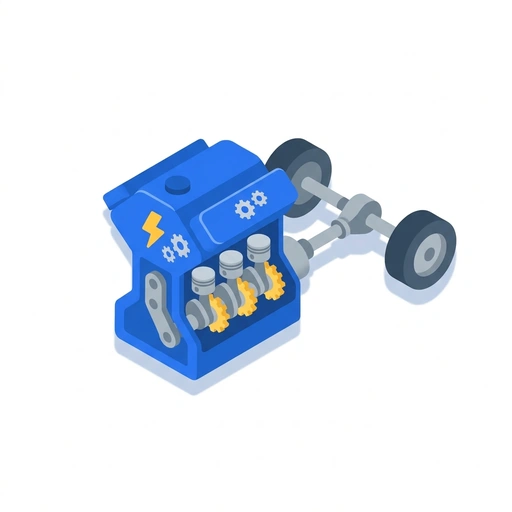
How Your Car Works and Why It Breaks
Learn what happens under the hood and how to spot mechanical trouble before you get stranded. Diagnose common engine, brake, and electrical issues and make informed fixes with confidence.
Start Everyday Car Mechanics today.
Download Tomo, search Everyday Car Mechanics, and play your first lesson in under a minute.