
How the Human Body Works
Discover how your body coordinates movement, fuels your cells, and keeps you alive. Learn the mechanics behind everyday sensations from your heartbeat to muscle fatigue.
Like Duolingo, but for How the Human Body Works. Tomo turns the whole topic into a game you play five minutes a day, until it actually sticks.
27 levels across 4 sections, about 54 minutes end to end, roughly 11 days at five minutes a day. It moves through Daily Balance and Vital Signals; The Mechanical Frame: Bones and Muscles; Internal Transport and Processing; and Control, Communication, and Defense. It starts from scratch.
Free forever · No credit card · iPhone & Android
Key ideas in How the Human Body Works
- Homeostasis is a dynamic, active balancing act, not a rigid freeze
- Internal conditions constantly fluctuate around a target baseline as the body counters outside disruptions
- Standing up forces the heart to work harder against gravity to pump oxygen-rich blood up to the brain
- Resting pulse speeds up or slows down automatically to match immediate shifts in oxygen demand
- The brain's internal thermostat monitors blood temperature and triggers opposing physical reactions
- Evaporation of sweat sheds excess heat when the body runs hot
- Involuntary muscle shivering produces heat when core temperature drops
- Breathing rate is primarily triggered by sensors detecting rising carbon dioxide levels in the blood
- The burning urge to breathe comes from carbon dioxide accumulation rather than running out of oxygen
- Pain and fatigue are warning systems designed to force behavior shifts before permanent injury occurs
- Fatigue acts as a protective brake to prevent muscle exhaustion and structural damage
- Pain prompts immediate protective reflexes and protects healing tissues
- The diaphragm contracts downward, flattening out toward the belly
- Expanding the chest cavity drops internal air pressure below outside air pressure
- Air naturally rushes inward to equalize the lower pressure inside the chest
- Lungs are divided into hundreds of millions of tiny air sacs called alveoli
You've tried the other tabs
Thirty open tabs. Four facts you actually kept.
You watched. You nodded. By Sunday it was gone.
One answer, then back to scrolling.
Eight weeks. You meant to finish. You didn't.
Tomo gives How the Human Body Works the Duolingo treatment: levels, streaks, and quick quizzes that test what you just learned. That game loop is what the tabs above never had, so it's the one you actually finish.
Here's what playing it feels like
A real question from this course. Take your best guess.
Throughout a normal day, what do your body's vitals usually do?
Get it right to open this lesson and 26 more in the app.
How to learn How the Human Body Works, step by step
Go in order. 27 short levels across 4 sections, about 54 minutes in all, five minutes a day.
- 1
Daily Balance and Vital Signals
- Tuning into Your Body's Baseline
- The Oxygen and Airway Engine
- 2
The Mechanical Frame: Bones and Muscles
- Living Bone and Joint Architecture
- How Muscles Contract and Generate Force
- 3
Internal Transport and Processing
- The Circulatory Plumbing System
- Digestion and Energy Extraction
- Fluid Filtration and Waste Disposal
- 4
Control, Communication, and Defense
- Wiring and Reflexes in the Nervous System
- Chemical Messengers and Immune Defense
4 sections · 9 units · 27 levels. Built to play, not to enroll.
Questions about How the Human Body Works
How do I learn How the Human Body Works?
Go in order: start with Daily Balance and Vital Signals, then The Mechanical Frame: Bones and Muscles, then Internal Transport and Processing, then Control, Communication, and Defense. On Tomo that's 27 short levels, about 54 minutes in all, played five minutes a day. Start free and play the first level in under a minute.
Is there a Duolingo-style app for How the Human Body Works?
Yes. Tomo works like Duolingo: short daily lessons, streaks and quick quizzes. How the Human Body Works is one of its free courses, and you can type any other topic to get a course of your own.
Is the How the Human Body Works course free?
Yes. How the Human Body Works is playable on Tomo's free plan, which doesn't expire. No credit card, no waitlist. Download the app and start your first lesson.
How long does it take to learn How the Human Body Works?
27 levels across 4 sections, about 54 minutes of play in total. It's built for five minutes a day, so you finish it a little at a time instead of all at once.
Do I need any background to start How the Human Body Works?
No. It's pitched at a beginner level, so it starts where you are and builds up. If you can tap a phone, you can start.
Tomo is in ChatGPT
Tomo is also a ChatGPT plugin: the same playable courses, built and played inside your chat.
Add Tomo to ChatGPT- What to ask
- “Make me a Tomo course on black holes.” “Turn this chat into a Tomo course.”
- What you get
- Quick questions with instant feedback, hearts and stars, ready to play in about a minute.
- Where it goes
- No sign-up to start. Connect your Tomo account and your streak carries on in the app.
You pick the voice
How the Human Body Works is taught in the Explain Like I'm 5 style: no big words. promise.. Want a different feel? In the app you can spin up the same topic in any of Tomo's teaching styles. Same facts, totally different vibe.
More Science on Tomo
How the Human Body Works
Discover how your organs, tissues, and fluids coordinate every second of the day. Learn the elegant mechanics behind how you move, breathe, fight disease, and stay alive.
How the Human Body Works
Understand the living machinery beneath your skin. Discover how your organs collaborate, how muscles generate movement, and how your body regulates itself every second.
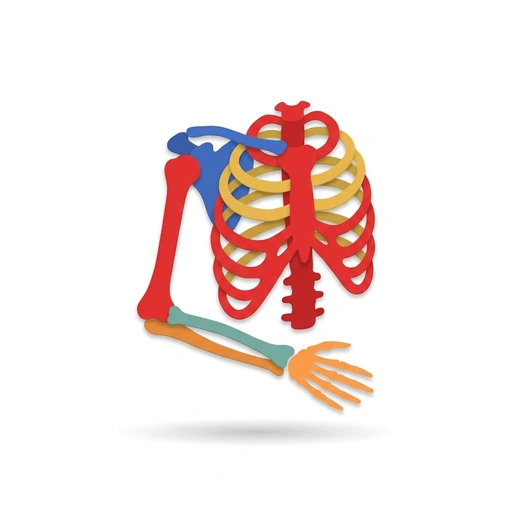
How the Human Body Is Built
Discover the physical architecture that keeps you moving, breathing, and alive. From the mechanical levers of your skeleton to the internal plumbing of your organs, learn to read the map of your own body with clarity and confidence.
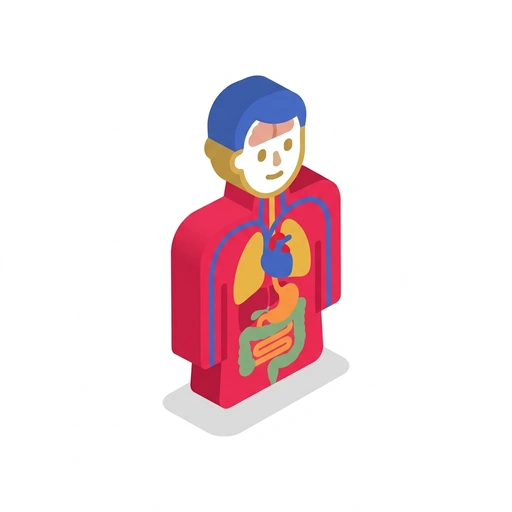
How the Human Body Works
Discover the incredible machinery running beneath your skin every second. Learn how your organs coordinate, why your body produces familiar everyday sensations, and what it takes to keep you moving, thinking, and alive.
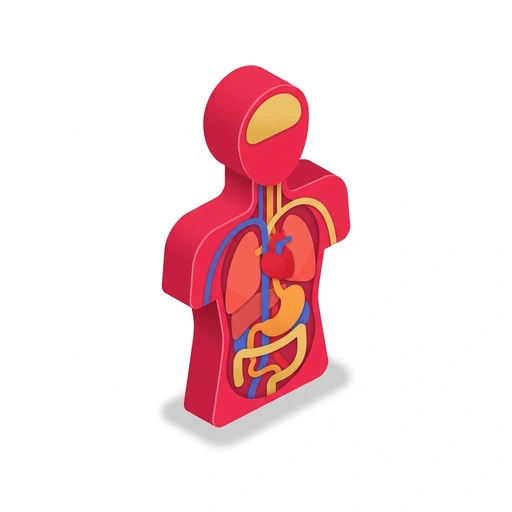
How the Human Body Works
Discover the incredible machinery of human anatomy and physiology. Learn how your bones, muscles, nerves, and organs work together in real time to keep you moving, thinking, and alive.
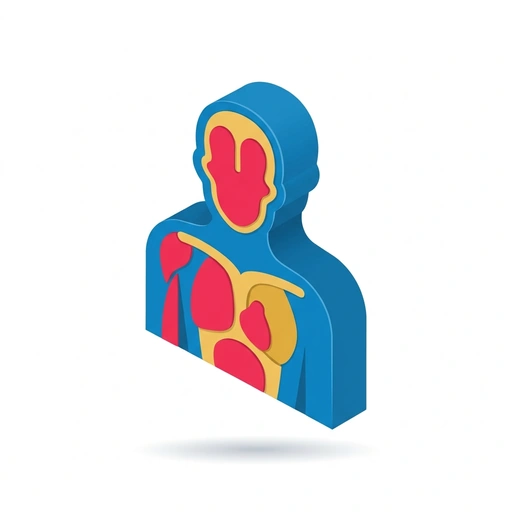
Human Anatomy: The Working Body
Explore how the human body is engineered from surface landmarks to internal organ systems. Learn the functional architecture behind every movement, heartbeat, and nerve reflex using clear, practical mental models. Build a lasting spatial understanding of how your bones, muscles, and organs fit and work together.
Start How the Human Body Works today.
Download Tomo, search How the Human Body Works, and play your first lesson in under a minute.