

The Science of Cute
Discover the biological blueprint and design secrets that make things irresistibly adorable. Learn why our brains fall for cute features and how artists intentionally craft them to melt hearts.
Like Duolingo, but for The Science of Cute. Tomo turns the whole topic into a game you play five minutes a day, until it actually sticks.
A short one: 11 levels across 2 sections, about 22 minutes end to end, roughly 4 days at five minutes a day. It moves through Decoding the Visual Recipe and The Mind on Cuteness. It starts from scratch.
Free forever · No credit card · iPhone & Android
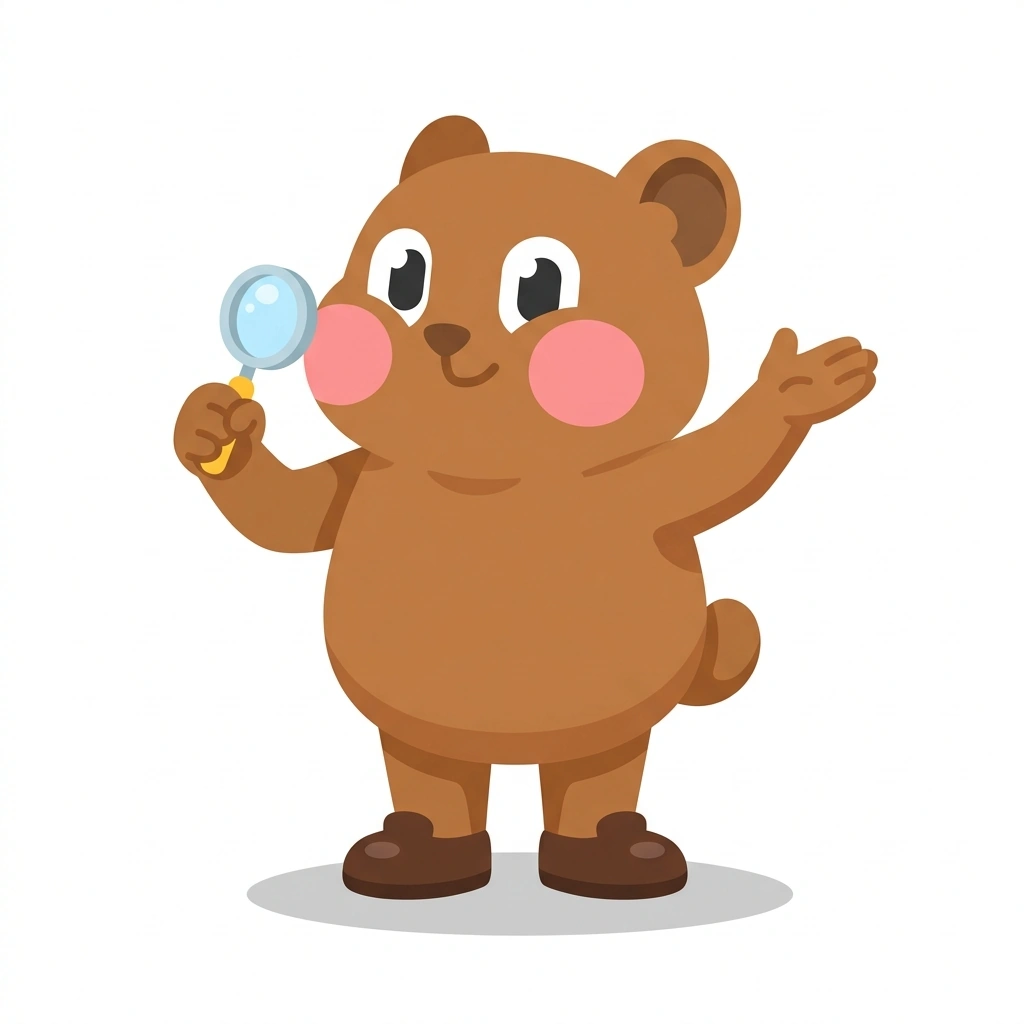
Key ideas in The Science of Cute
- Cuteness relies on a disproportionately large head relative to the body
- Facial features like eyes sit lower on the face with prominent, chubby cheeks
- Short, stubby limbs trigger nurturing impulses over long, slender proportions
- Human babies are born helpless and cannot feed, move, or defend themselves
- Cuteness motivates adults to invest heavy time and energy into protection and caregiving
- The brain processes baby-like features in under a seventh of a second
- Dopamine and caretaking impulses fire automatically before conscious thought kicks in
- The brain applies the infant blueprint to cars, toys, and pets whenever geometric ratios align
- Circular shapes and low-set 'eyes' turn inanimate objects into cute entities
- Stubby extremities and round bodies trigger the same nurturing instinct as human babies
- Which physical proportions automatically trigger the human baby schema
- Why cuteness evolved as a survival mechanism in human infants
- Supernormal stimuli blow proportions past what is biologically possible in real life
- Exaggerating features like massive eyes and nonexistent noses hyper-activates our caretaking circuits
- Curved, bulbous outlines signal zero threat of physical harm
- Pointy shapes and hard corners activate our innate alertness to sharp hazards
You've tried the other tabs
Thirty open tabs. Four facts you actually kept.
You watched. You nodded. By Sunday it was gone.
One answer, then back to scrolling.
Eight weeks. You meant to finish. You didn't.
Tomo gives The Science of Cute the Duolingo treatment: levels, streaks, and quick quizzes that test what you just learned. That game loop is what the tabs above never had, so it's the one you actually finish.
Here's what playing it feels like
A real question from this course. Take your best guess.
Where do a baby's eyes and cheeks sit compared to an adult's?
Get it right to open this lesson and 10 more in the app.
How to learn The Science of Cute, step by step
Go in order. 11 short levels across 2 sections, about 22 minutes in all, five minutes a day.
- 1
Decoding the Visual Recipe
- The Baby Schema Trigger
- Designing Adorable Characters
- 2
The Mind on Cuteness
- The Psychology of Squee
- Kawaii and Soft Influence
2 sections · 4 units · 11 levels. Built to play, not to enroll.
Questions about The Science of Cute
How do I learn The Science of Cute?
Go in order: start with Decoding the Visual Recipe, then The Mind on Cuteness. On Tomo that's 11 short levels, about 22 minutes in all, played five minutes a day. Start free and play the first level in under a minute.
Is there a Duolingo-style app for The Science of Cute?
Yes. Tomo works like Duolingo: short daily lessons, streaks and quick quizzes. The Science of Cute is one of its free courses, and you can type any other topic to get a course of your own.
Is The Science of Cute free?
Yes. The Science of Cute is playable on Tomo's free plan, which doesn't expire. No credit card, no waitlist. Download the app and start your first lesson.
How long does it take to learn The Science of Cute?
11 levels across 2 sections, about 22 minutes of play in total. It's built for five minutes a day, so you finish it a little at a time instead of all at once.
Do I need any background to start The Science of Cute?
No. It's pitched at a beginner level, so it starts where you are and builds up. If you can tap a phone, you can start.
Tomo is in ChatGPT
Tomo is also a ChatGPT plugin: the same playable courses, built and played inside your chat.
Add Tomo to ChatGPT- What to ask
- “Make me a Tomo course on black holes.” “Turn this chat into a Tomo course.”
- What you get
- Quick questions with instant feedback, hearts and stars, ready to play in about a minute.
- Where it goes
- No sign-up to start. Connect your Tomo account and your streak carries on in the app.
You pick the voice
The Science of Cute is taught in the Bestie style: your friend who just gets it. Want a different feel? In the app you can spin up the same topic in any of Tomo's teaching styles. Same facts, totally different vibe.
More Psychology on Tomo

Everyday Psychology
Discover the hidden mental shortcuts and social dynamics that shape your daily life. Spot cognitive traps, build lasting personal habits, and navigate social situations with insight.
Psychology for Everyday Life
Understand the hidden behavioral patterns that shape your choices, routines, and relationships. Learn to spot mental shortcuts, build lasting habits, and handle social friction with practical psychological insights.
Everyday Psychology in Action
Understand the hidden mental shortcuts, habits, and social dynamics that shape your daily choices and interactions. Learn practical psychological tools to make better decisions, stick to routines, and communicate with clarity.
The Psychology of Everyday Life
Discover why you think, feel, and act the way you do. This course turns the lens on your own mind to reveal the hidden patterns that drive your daily decisions and social interactions.

Psychology: The Science of Behavior
Move beyond armchair intuition to understand the hidden mechanisms driving human thought, action, and social interaction.

Everyday Psychology: Naming Human Quirks
Discover the formal psychological terms behind the strange mental shortcuts and social habits you encounter daily. Learn why your brain behaves the way it does through clear, memorable examples.
Start The Science of Cute today.
Download Tomo, search The Science of Cute, and play your first lesson in under a minute.