
International Relations in the Real World
Decode the daily headlines and understand why countries cooperate, compete, and clash. Explore how power, trade, alliances, and security dilemmas shape today's global landscape.
Like Duolingo, but for International Relations in the Real World. Tomo turns the whole topic into a game you play five minutes a day, until it actually sticks.
26 levels across 4 sections, about 52 minutes end to end, roughly 10 days at five minutes a day. It moves through Decoding the Daily News; Why Nations Fight and Form Blocs; Trade, Rules, and Sovereignty; and The Shifting Global Chessboard. It starts from scratch.
Free forever · No credit card · iPhone & Android

Key ideas in International Relations in the Real World
- There is no overarching world government or global police force with guaranteed enforcement power
- International law relies on voluntary compliance or great-power consensus, which often fails during crises
- Countries must ultimately guarantee their own security through military strength, geography, or alliances
- States prioritize survival and strategic balance over shared ideology or moral alignment
- Leaders will partner with rivals or unsavory regimes if it neutralizes a larger shared existential threat
- Public rhetoric about 'values' usually masks hard calculations of national security and resources
- Foreign crises are frequently manufactured or amplified to rally patriotic support at home ('rally 'round the flag')
- A leader's first domestic priority is maintaining power and winning over key political constituencies
- Tough foreign rhetoric often targets domestic voters rather than the foreign government itself
- Countries judge their own actions by peaceful intentions but judge rivals by their worst-case capabilities
- Defensive upgrades naturally look offensive to neighbors, triggering tit-for-tat escalation spirals
- Misinterpreting a rival's defensive move as a prelude to attack is the classic cause of unintended war
- Analyzing who tangibly gains power or security reveals the hidden beneficiary
- Identifying physical resources—like fuel, waterways, minerals, or supply routes—explains why that specific flashpoint was targeted
- Checking how the action plays to the leader's home supporters or domestic budget reveals if it is politically affordable
- Sanctions hit ordinary citizens first by cutting off trade, goods, and currency
You've tried the other tabs
Thirty open tabs. Four facts you actually kept.
You watched. You nodded. By Sunday it was gone.
One answer, then back to scrolling.
Eight weeks. You meant to finish. You didn't.
Tomo gives International Relations in the Real World the Duolingo treatment: levels, streaks, and quick quizzes that test what you just learned. That game loop is what the tabs above never had, so it's the one you actually finish.
Here's what playing it feels like
A real question from this course. Take your best guess.
Why do international laws and treaties often break down during a major global crisis?
Get it right to open this lesson and 25 more in the app.
Where International Relations in the Real World takes you
- 1
Decoding the Daily News
- Reading Country Motives Behind the News
- The Diplomatic Toolkit: Carrots, Sticks, and Talk
- 2
Why Nations Fight and Form Blocs
- The Security Dilemma and the Logic of War
- Alliances, Balancing, and Non-Alignment
- 3
Trade, Rules, and Sovereignty
- Weaponized Trade: Money, Chips, and Energy
- The Realities of International Law and the UN
- 4
The Shifting Global Chessboard
- The Return of Multipolarity and Middle Powers
- Borderless Crises: Climate, Tech, and Migration
4 sections · 8 units · 26 levels. Built to play, not to enroll.
Tomo is in ChatGPT
Tomo is also a ChatGPT plugin: the same playable courses, built and played inside your chat.
Add Tomo to ChatGPT- What to ask
- “Make me a Tomo course on black holes.” “Turn this chat into a Tomo course.”
- What you get
- Quick questions with instant feedback, hearts and stars, ready to play in about a minute.
- Where it goes
- No sign-up to start. Connect your Tomo account and your streak carries on in the app.
You pick the voice
International Relations in the Real World is taught in the Pirate style: arr, learning be an adventure!. Want a different feel? In the app you can spin up the same topic in any of Tomo's teaching styles. Same facts, totally different vibe.
More History on Tomo
How Global Politics Works
Learn how power really flows between nations and why countries make the strategic choices they do. Decode foreign news headlines, understand treaties and alliances, and see through the theater of international relations.
Analyzing International Affairs
Learn to look past diplomatic rhetoric and decode how nations actually compete, form alliances, and wield power. Build the core analytical mental models used by foreign policy analysts and diplomats.
Eras That Shaped Human History
Trace how steam engines, ancient debates, trade caravans, and the first planted seeds built the modern world. Discover the defining eras that transformed human life without getting lost in dry dates. Walk away with a clear mental map of our shared journey.
Geopolitics: The World's Hidden Rules
Understand why nations behave the way they do by looking at the map. Learn to see the world as a high-stakes game of chess where geography dictates the moves.
Germany: From Many to One
Discover how a collection of scattered kingdoms became a modern powerhouse. Explore the stories of emperors, thinkers, and ordinary people who rebuilt a nation from the ground up.
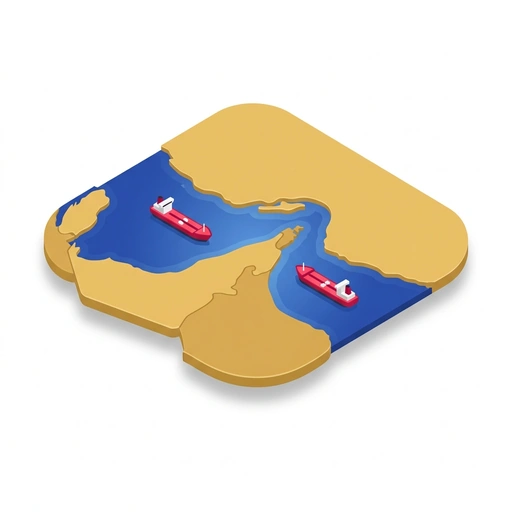
The Strait of Hormuz
Understand why a narrow 21-mile waterway holds the key to global energy flows and maritime strategy. Trace the geography between Iran and Oman, explore the incentives of Gulf states and world powers, and decode how deterrence works in a vital global choke point.
Start International Relations in the Real World today.
Download Tomo, search International Relations in the Real World, and play your first lesson in under a minute.