
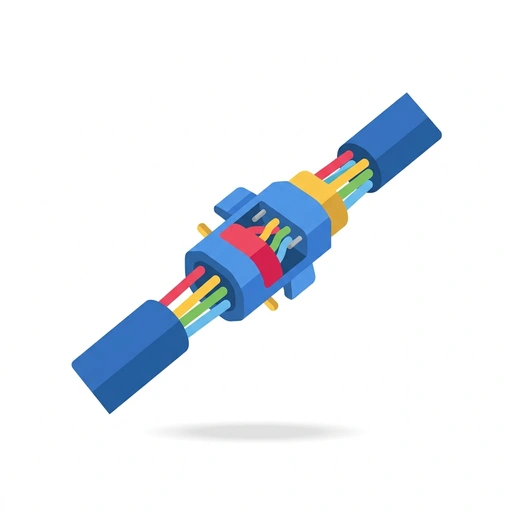
Splicing Cables and Wires
Learn to create secure, safe, and professional electrical connections. This course covers everything from basic wire twisting to weatherproofing and soldering for permanent repairs.
Like Duolingo, but for Splicing Cables and Wires. Tomo turns the whole topic into a game you play five minutes a day, until it actually sticks.
20 levels across 3 sections, about 40 minutes end to end, roughly 8 days at five minutes a day. It moves through Making Your First Connection, Professional Joint Techniques, and Insulation and Durability. It starts from scratch.
Free forever · No credit card · iPhone & Android
Key ideas in Splicing Cables and Wires
- The insulation should be removed without the blade touching the metal
- Wires must be physically intertwined to stay together
- Nicks create a weak point where the wire will eventually snap
- A loose twist will pull apart under tension
- Bending a nicked wire concentrates stress on the damaged spot
- The mechanical wrap is what holds the weight, not just the tape
- The consequence of damaging the metal core while stripping insulation
- The process of creating a mechanically sound twist
- More surface contact allows electricity to flow easily
- Small contact points create 'resistance' which generates heat
- Winding wires along each other maximizes the touch points
- A firm pull (tug test) reveals if the twist is actually locked
- If the wires slide at all during a pull, the splice is a failure
- Wire nut colors indicate the maximum and minimum wire volume they can safely hold
- Using a nut that is too small for the wire gauge prevents the spring from fully engaging
- The relationship between wire contact and heat
You've tried the other tabs
Thirty open tabs. Four facts you actually kept.
You watched. You nodded. By Sunday it was gone.
One answer, then back to scrolling.
Eight weeks. You meant to finish. You didn't.
Tomo gives Splicing Cables and Wires the Duolingo treatment: levels, streaks, and quick quizzes that test what you just learned. That game loop is what the tabs above never had, so it's the one you actually finish.
Here's what playing it feels like
A real question from this course. Take your best guess.
What is the secret to a splice that won't pull apart under pressure?
Get it right to open this lesson and 19 more in the app.
Where Splicing Cables and Wires takes you
- 1
Making Your First Connection
- Your First Wire Splice
- Securing with Wire Nuts
- 2
Professional Joint Techniques
- Creating Inline Joints
- Soldering for Permanent Bonds
- 3
Insulation and Durability
- Insulating for Safety
- Weatherproofing and Strain Relief
- Handling Data and Low-Voltage
3 sections · 7 units · 20 levels. Built to play, not to enroll.
Tomo is in ChatGPT
Tomo is also a ChatGPT plugin: the same playable courses, built and played inside your chat.
Add Tomo to ChatGPT- What to ask
- “Make me a Tomo course on black holes.” “Turn this chat into a Tomo course.”
- What you get
- Quick questions with instant feedback, hearts and stars, ready to play in about a minute.
- Where it goes
- No sign-up to start. Connect your Tomo account and your streak carries on in the app.
You pick the voice
Splicing Cables and Wires is taught in the Professor style: clear, structured, thorough. Want a different feel? In the app you can spin up the same topic in any of Tomo's teaching styles. Same facts, totally different vibe.
More Technology on Tomo

The Flow of Power: Basic Circuits
Stop guessing and start building. Learn to direct the invisible force of electricity to power lights, motors, and your own inventions.
Writing Your First Python Scripts
Build a working intuition for the world's most popular programming language. Learn how Python stores information, makes decisions, and automates repetitive tasks with clean, readable code.

Building Web Apps with Angular
Construct dynamic, modern web interfaces using Google's Angular framework. Learn to bind data, craft reusable components, and fetch live network content with confidence.
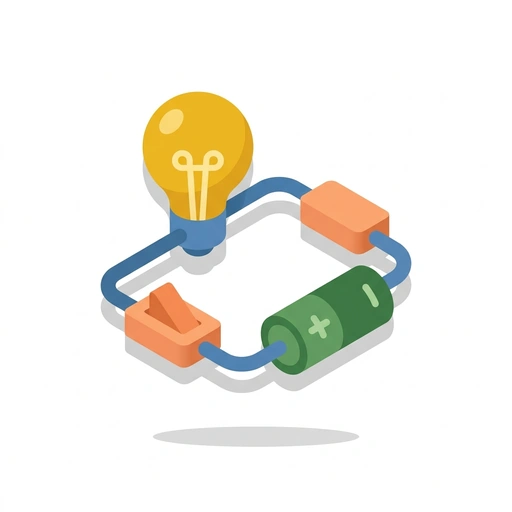
How Electric Circuits Work
Learn how electricity moves through everyday devices and gain the confidence to build your own circuits. From breadboarding components to debugging with a multimeter, discover the practical rules that bring hardware to life.
Mastering the Flow: Practical Electronics
Move beyond simple batteries and bulbs to design circuits that solve real problems. Master the math of power, troubleshoot like a pro, and understand how modern gadgets actually think.
Ham Radio: Your First License
Get ready to pass your Technician Class exam and join the global community of amateur radio operators. Learn how to talk across town or into space using the right frequencies and rules.
Start Splicing Cables and Wires today.
Download Tomo, search Splicing Cables and Wires, and play your first lesson in under a minute.